Solution For Business Consultation


Discover how AI can improve efficiency, automate workflows, and unlock new growth opportunities. Fill out the form and get a personalized AI readiness assessment.
4 People
Australia
8 weeks


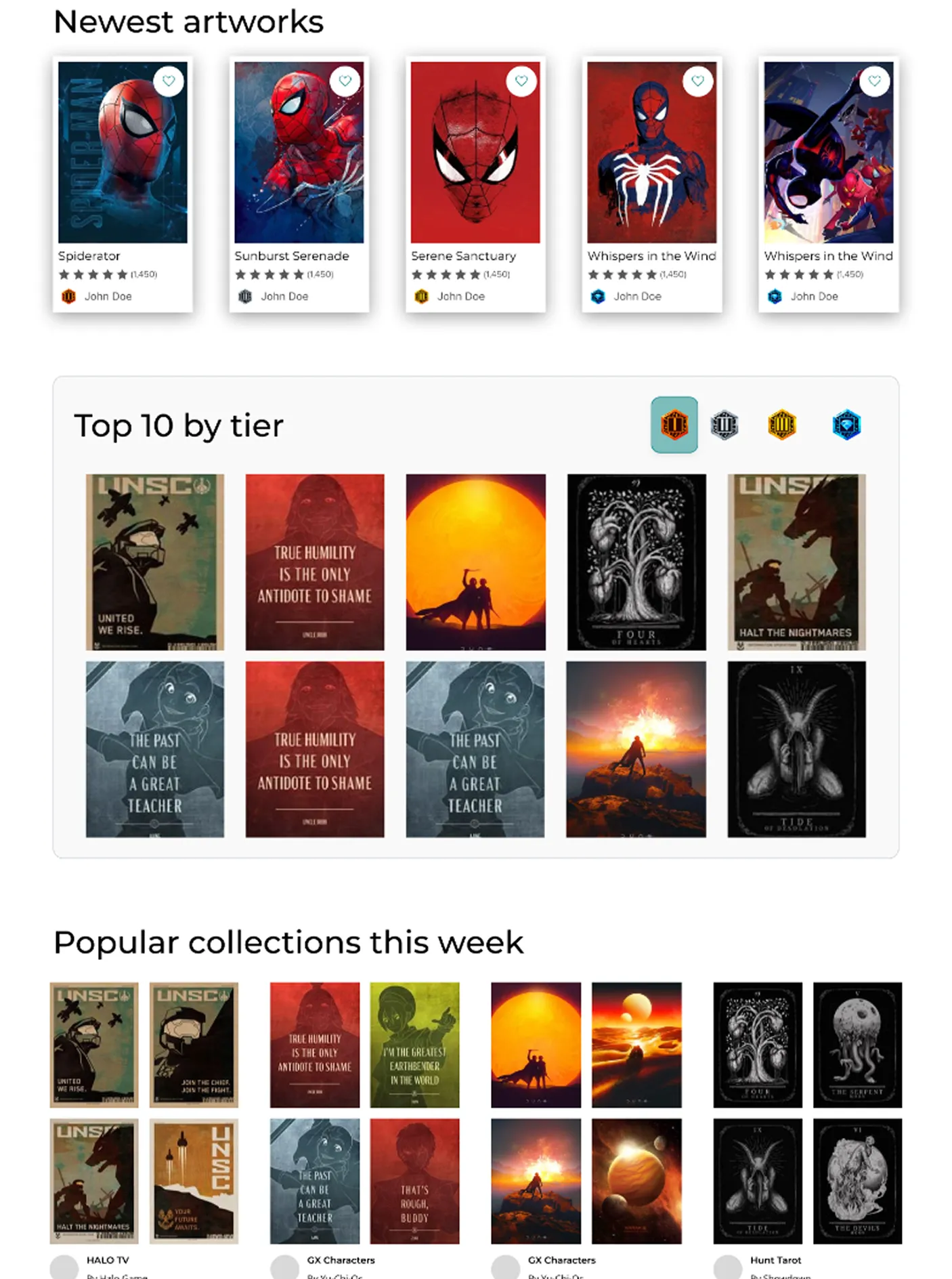
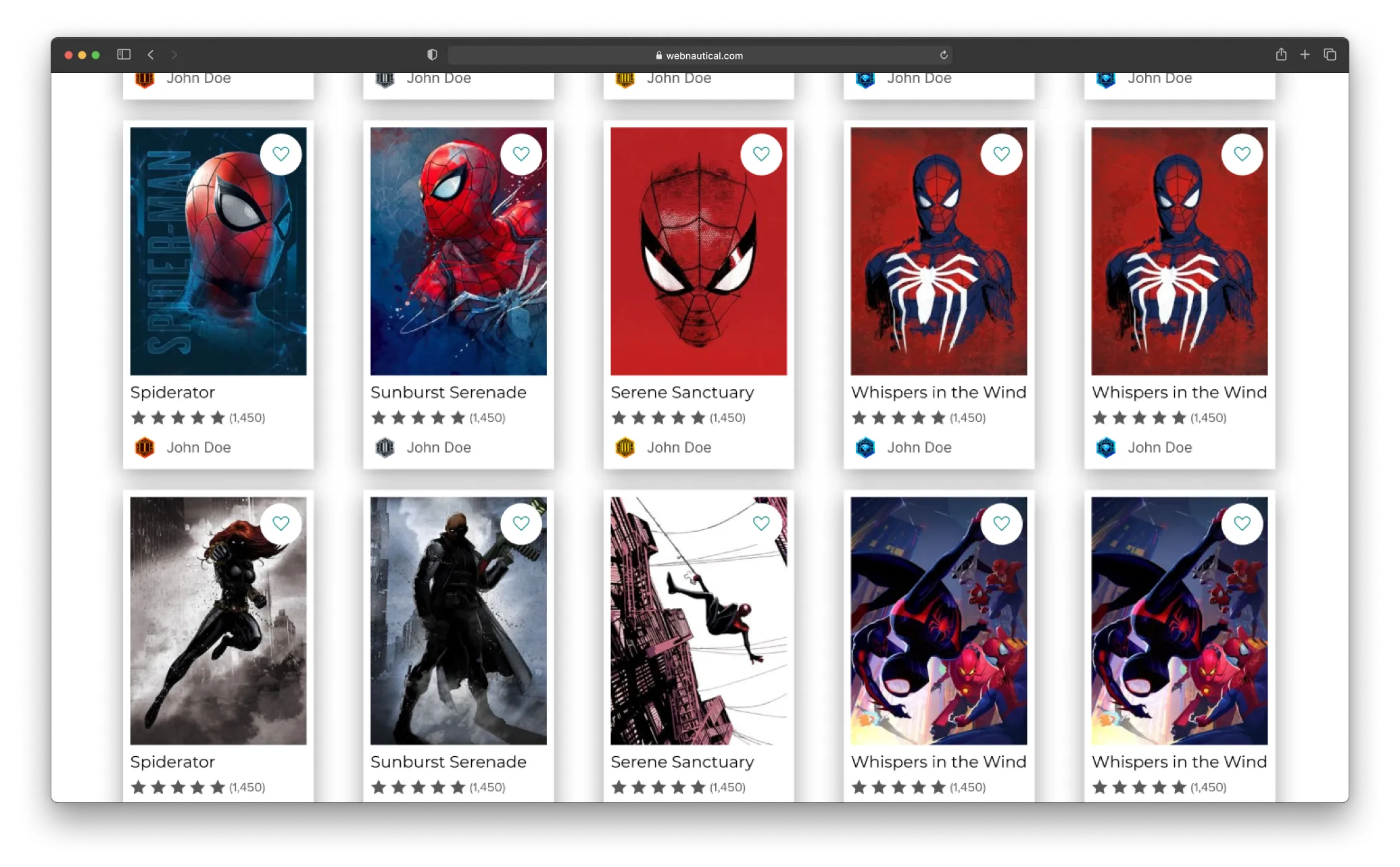
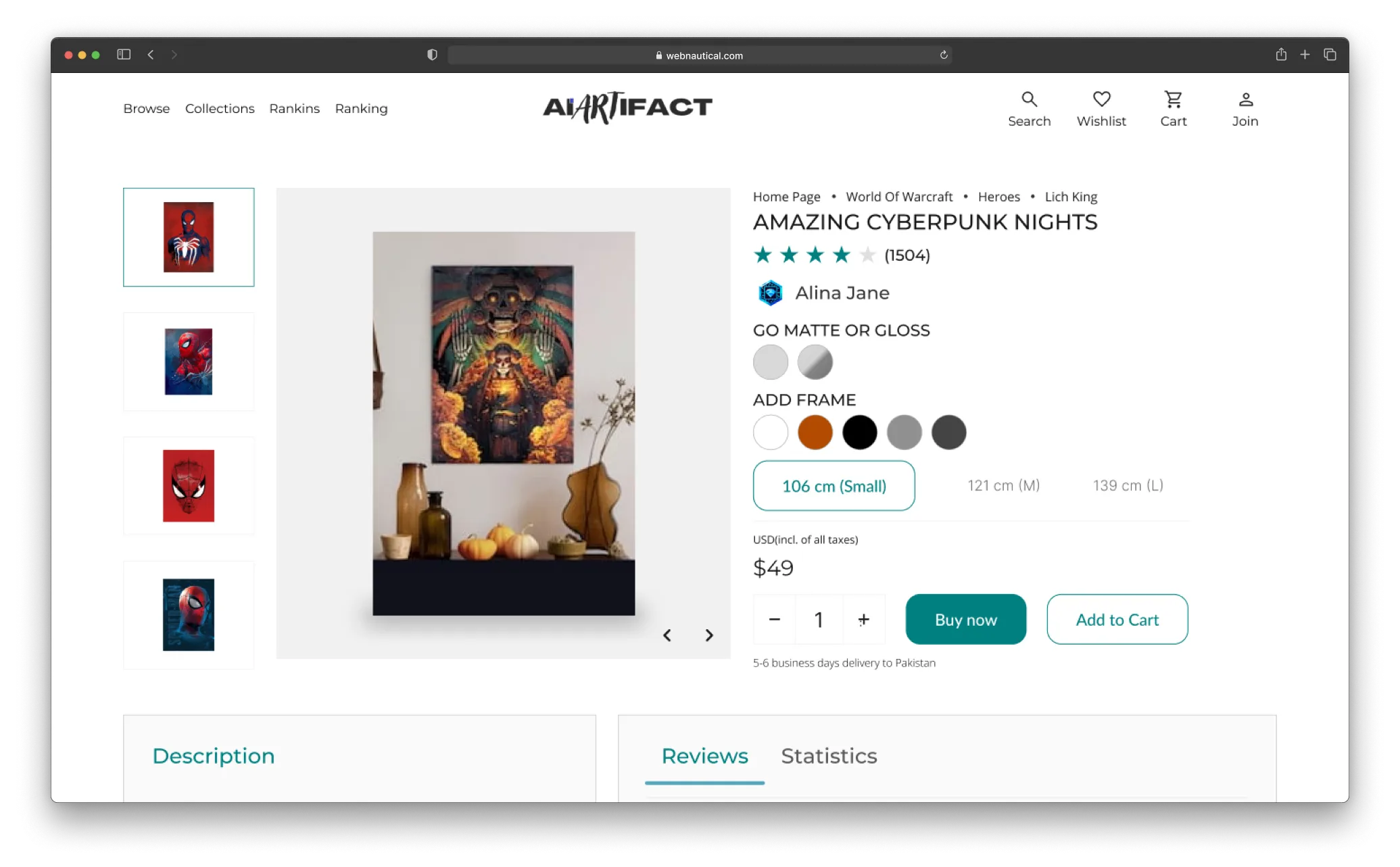
AI Artifact – a multivendor marketplace where users could both buy and sell AI-generated art, with every purchase turned into a physical, framed, print-on-demand product delivered to the buyer’s door. The platform needed to handle everything from AI art uploads and image review, to dynamic pricing, secure payments, and hands-off print fulfillment and shipping – while also rewarding active sellers through a points-based ranking system.
Mapped the full buyer-seller journey: upload, review, pricing, purchase, frame selection, payment, and fulfillment, before writing any code.
Built the multivendor foundation on React, Node.js, and MongoDB - user accounts, listings, buyer/seller roles, and order management.
Built the image upload pipeline with an automated review step to check whether an uploaded AI art piece is fit to move forward in the workflow before a seller can price and list it.
Enabled sellers to set a price once a piece is approved, and buyers to purchase and select the number of frames they want printed.
Integrated Stripe for checkout and Gelato for print-on-demand production, shipping, and tracking, so orders move from payment to delivery with no manual handling.
Designed and built a custom points system that scores sellers by frame order volume and places them into Silver, Gold, Platinum, and Diamond tiers.
Tested the full order pipeline end-to-end - upload, review, purchase, payment, fulfillment, and tracking - before rollout.
Web Nautical was brought in to turn the advertising concept into a working marketplace and digital signage product, with four core challenges:
Two-sided marketplace - advertisers needed simple campaign placement while venue owners needed control and a reason to make screens available.
Campaign-to-screen delivery - bookings had to become the right scheduled content on the right screen and location.
Live screen visibility - operators needed online/offline status for registered screens so issues could be identified quickly.
Connected architecture - React, Node.js, MongoDB, Google Cloud, and remote signage had to operate as one product.

Once an advertiser selected locations and scheduled a promotion, campaign data had to stay aligned across advertiser tools, venue dashboards, administration, and connected screens. Node.js managed application logic and device-facing communication, MongoDB stored flexible campaign and screen data, and React provided role-specific interfaces. Google Cloud supplied the centralized environment, while socket-based updates exposed online/offline screen status to operators.
A structured approach to design, development, testing, and seamless delivery.
Market study
User needs
Tech scope
Wireframes
UI/UX flow
Branding
Backend setup
Custom feature
Mobile build
Bug fixes
Performance check
Security test
Website Live
Marketing push
User onboarding
Regular updates
Feature upgrades
User support
every user can act as both a buyer and a seller on the same account
sellers upload AI-created art, which the platform reviews before it's allowed to move further into the listing workflow
once a piece passes review, the seller sets its price before it goes live for other users to buy
buyers choose how many printed frames they want of a purchased piece, with cost calculated by frame quantity
buyers are directed to Stripe to complete payment once their frame order is finalized
printing, shipping, and tracking for every order is handled automatically through the Gelato integration
sellers earn points proportional to the number of frames ordered against their art, placing them into Silver, Gold, Platinum, and Diamond tiers


- Jesper, Founder, AI Artifact
Web Nautical took a fairly complex idea - AI art, a marketplace, printing, and a ranking system all in one - and made it work smoothly from day one. The Gelato integration especially has saved us from having to manage fulfillment ourselves. Genuinely happy with how AI Artifact turned out.
A visual language crafted to reflect the brand’s identity and personality.
The Nike MFS PlayKit was built on a carefully selected tech stack, designed to handle large-scale data, deliver fast visualizations, and provide a smooth, reliable experience for users.
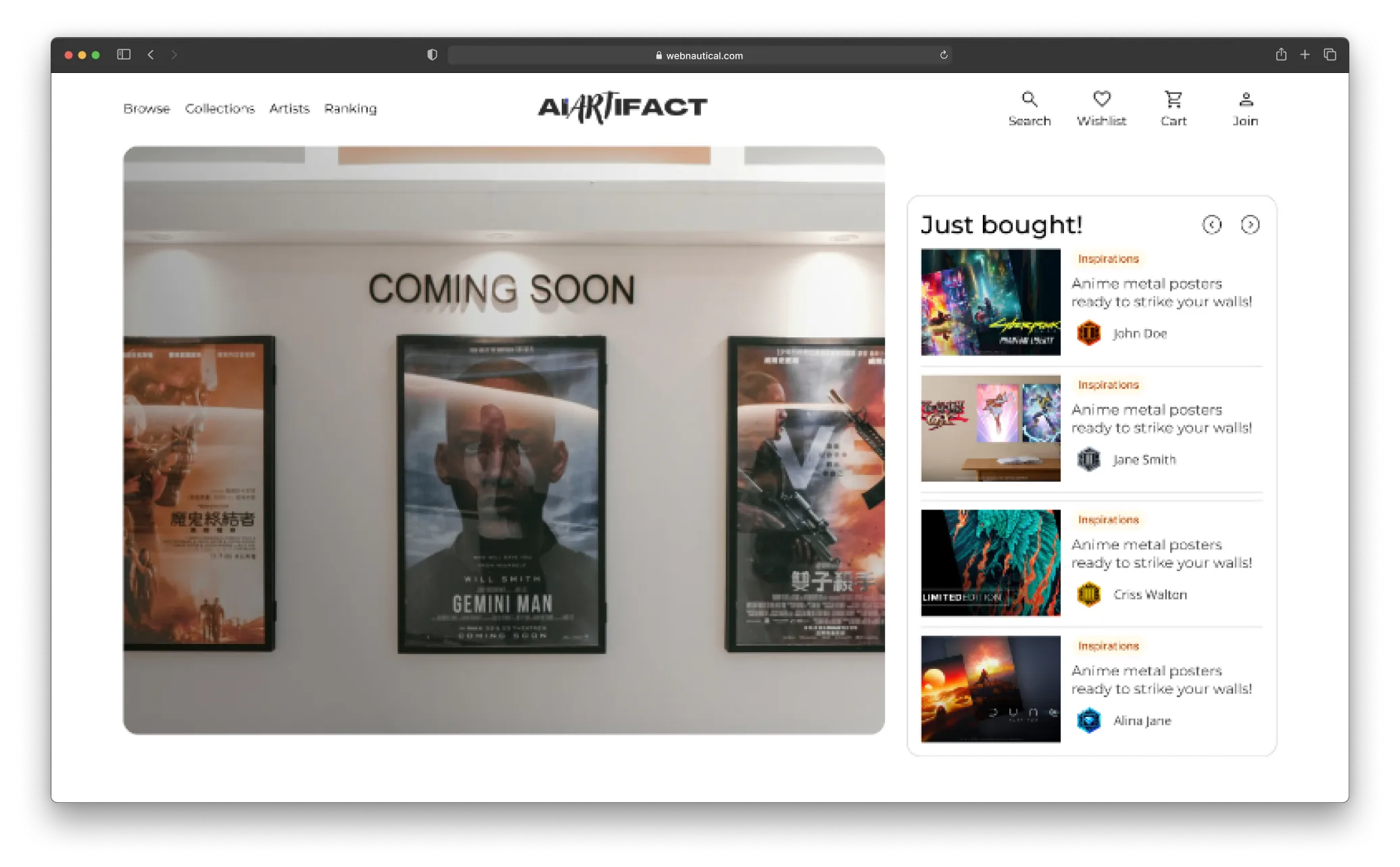
A visual representation of the platform, showcasing its key features and user experience.
AI Artifact shows how Web Nautical takes a multi-layered product idea - a two-sided marketplace, AI art review, dynamic pricing, print-on-demand fulfillment, and a custom rewards system - and ties it into one seamless experience built on React, Node.js, and MongoDB. By integrating Stripe and Gelato end-to-end, Jesper's platform runs order fulfillment on autopilot, while the points and tier system keeps sellers engaged and competing for recognition. If you're looking to build a marketplace, print-on-demand, or rewards-driven platform, our team can help you go from concept to launch.
Copyright © 2026 Web Nautical. All Rights Reserved.